 Загрузка ...
Best Cosmetic Tube Suppliers for Indie Beauty Brands
Independent beauty brands face a different set of packaging challenges from established multinational companies. They often need smaller quantities, flexible customization, shorter development cycles, and more technical support during the early stages of a product launch.
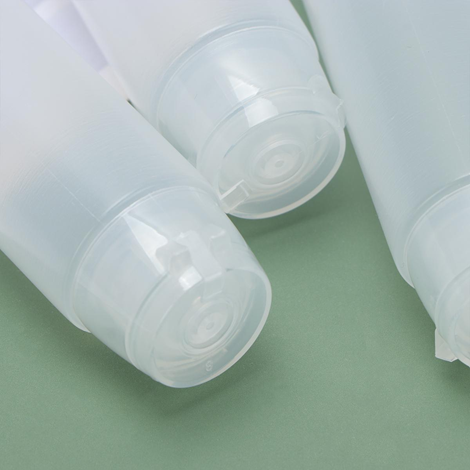
A supplier that works well for a global brand may not be suitable for a startup ordering its first production run. The best partner is therefore not necessarily the largest manufacturer or the company offering the lowest unit price.
Indie brands should evaluate whether a supplier can support their current order while also providing room for future growth.
Reasonable Minimum Order Quantities
Minimum order quantity is one of the first issues to review.
Highly customized tubes usually require higher volumes because the manufacturer must prepare materials, match colors, install printing plates, and configure production equipment. Standard tubes with existing molds and simple decoration may be available at lower quantities.
Indie brands should ask for separate minimum quantities for:
- Plain tubes
- Custom-colored tubes
- Direct printing
- Labels
- Custom caps
- Specialty finishes
- Custom molds
A supplier may offer a low minimum for the tube body but require a larger order for a specially colored cap. The complete packaging minimum should be confirmed before design approval.
Access to Standard Components
Using standard diameters, shoulders, necks, and closures can reduce development costs and shorten lead times.
An experienced supplier should be able to recommend existing options that fit the required volume and appearance. For example, a brand may customize the tube length, color, artwork, and finish while using a standard cap mold.
This approach gives the product a distinctive appearance without the expense of fully custom tooling.
Suppliers with a broad component library can also help brands build a coordinated range across different product sizes.
Material and Formula Guidance
The tube must protect the formula throughout its intended shelf life.
PE extrusion tubes are suitable for many creams, cleansers, gels, and lotions. Sensitive products may require plastic barrier laminate, aluminum barrier laminate, or a multi-layer extrusion structure.
Suppliers should ask about product viscosity, active ingredients, oils, alcohol, fragrance, essential oils, and storage conditions. They should also recommend compatibility testing rather than guaranteeing performance based only on a brief formula description.
The final material decision should be made using filled-product tests.
Sampling Support
Sampling is especially important for indie brands because one packaging problem can delay an entire product launch.
A supplier should be able to provide structural samples for checking size and dispensing, color samples for visual approval, and printed samples for evaluating artwork and finishes.
Brands should test the samples with the actual product whenever possible. This reveals whether the tube is easy to squeeze, whether the opening controls the formula properly, and whether the cap remains clean during use.
Printed samples also show differences that cannot be judged accurately from a digital rendering.
Decoration Capabilities
Strong packaging can help a small beauty brand compete on crowded retail shelves and social media platforms.
Useful decoration options include:
- Offset printing
- Silk-screen printing
- Hot stamping
- Pressure-sensitive labels
- Matte and gloss varnishes
- Soft-touch finishes
- Transparent windows
- Custom body and cap colors
The supplier should explain which methods are realistic for the order quantity and artwork.
A detailed photographic design may work better with a label or laminate print, while a minimalist logo can be produced effectively through silk screening or hot stamping.
Quality-Control Procedures
Reliablecosmetic tube suppliersshould provide clear information about dimensional inspection, print control, cap testing, leakage checks, cleanliness, and packing standards.
Indie brands should ask which defects are inspected during production and what tolerances apply to color, printing position, tube length, and cap fit.
It is also useful to request approval samples from the actual production batch. These samples can be compared with the signed standard before the full shipment is released.
Lead Times and Communication
Packaging delays can affect formula filling, photography, marketing campaigns, and retail launch dates.
The supplier should provide a realistic timeline covering artwork approval, color matching, sampling, material preparation, production, inspection, and shipping.
Clear communication is just as important as manufacturing capability. Indie brands often need guidance on artwork files, cap compatibility, filling requirements, and testing procedures.
A responsive account or technical contact can prevent misunderstandings before they become expensive production problems.
Ability to Scale
A good supplier should support both initial growth and repeat orders.
Ask whether the same tube can be produced at higher volumes, whether approved colors and artwork files will be retained, and how repeat-order lead times differ from first orders.
Brands should also document product codes, material structures, colors, closures, artwork versions, and packing methods.
The best supplier for an indie beauty brand combines manageable minimum quantities with technical competence, reliable quality, and clear communication. Price remains important, but dependable execution has a greater effect on the success of a product launch.