 Загрузка ...
Can a Home Battery Really Beat Time-of-Use Rates?
Time-of-use rates can make a normal evening feel expensive. The dishwasher starts, dinner is cooking, the thermostat works harder, and the utility price climbs right when the house gets busy. A home battery can help, but it needs more than a full charge and wishful thinking.
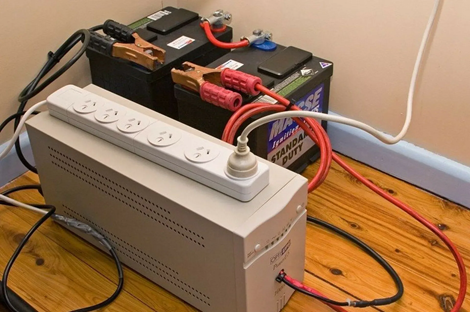
Time-of-use, or TOU, pricing means electricity costs change depending on when it is used. The basic strategy is simple: charge the battery when power is cheaper or solar is abundant, then use stored energy when grid electricity is expensive.
The Battery Is Only the Middle Piece
NREL describes energy arbitrage as charging when energy prices are low and discharging during more expensive peak hours. In a home, that may mean charging from rooftop solar at noon, holding that energy, and using it from 5 p.m. to 9 p.m.
The plan works best when the rate difference is large enough to overcome round-trip losses and equipment cost. The Department of Energy points out that storage is not 100% efficient because some energy is lost during conversion and retrieval. If the peak/off-peak spread is tiny, savings may be modest.
That is why a solar, battery, and EV home setup should be planned around the local tariff, not around a generic promise of lower bills.
Load Shifting Beats Guessing
Load shifting means moving electricity use from expensive hours to cheaper hours, either by changing behavior or by using stored energy. A battery can automate part of that shift. Still, household habits matter.
For example, pre-cooling the home before peak pricing, delaying laundry, and charging an EV after midnight may reduce the amount of battery capacity needed. The battery then covers the loads that cannot easily move, such as refrigeration, lights, cooking, and evening electronics.
NYSERDA explains that time-of-use rates charge based on when electricity is consumed instead of averaging all hours. That sounds simple, but every utility has its own schedule, seasonal rules, and demand-response programs. A good battery schedule in July may not be ideal in January.
Why Monitoring Matters
A battery used for TOU savings is not a set-and-forget appliance. The system needs to know what solar is producing, what the house is using, what the grid price looks like, and how much energy should be kept in reserve for backup.
That is where controls become practical rather than fancy. The ESYsunhome APP is built around real-time monitoring, dynamic tariff awareness, and battery scheduling, which are exactly the features a homeowner needs when the battery is expected to make daily decisions.
When TOU Storage Makes the Most Sense
TOU battery storage is strongest in homes with:
- A clear peak-rate window
- Rooftop solar that overproduces during the day
- Evening loads that cannot easily shift
- A desire to keep some backup reserve
It is weaker in homes with flat rates, low evening usage, or a battery that is too small to cover the expensive period.
The right calculation is not only «How much can this save?» It is also «Can this make the home less exposed to volatile evening prices while preserving backup power?» That blend of savings and resilience is where home storage becomes more than a bill trick.